
Оптимальная скорость вращения для жестких дисков: 7200 об/мин vs. 5400 об/мин
Чтобы ничего не потерять, я храню файлы на разных жестких дисках.
Один нужен, чтобы Виндоус загружалась за несколько секунд. Второй чуть медленнее, но объемнее — на нем я храню фильмы и архив музыки. Третий диск только для работы. И еще два внешних диска, на которых я храню то, что не влезло на остальные.
Такое разделение удобно: если сломается операционная система, не придется восстанавливать рабочие файлы, ведь они хранятся на другом физическом диске.
Что такое 7200 об/мин Жесткий диск?
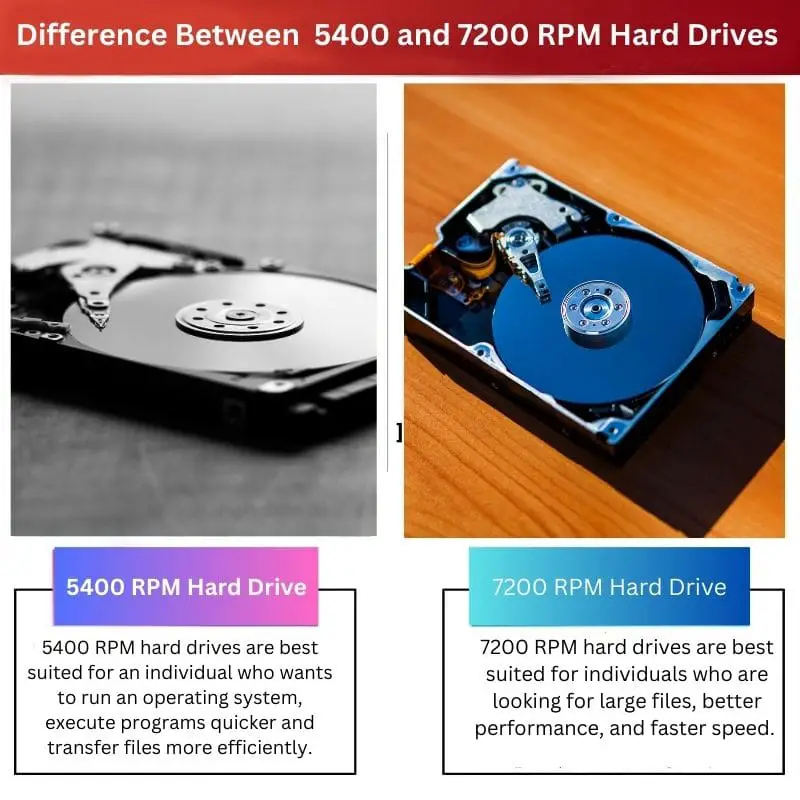
Исторически сложилось так, что жесткие диски со скоростью 7200 об/мин обеспечивают высокую скорость чтения и записи и лучше подходят для работы операционной системы, быстрого запуска приложений и передачи файлов.
Жесткие диски на 7200 об/мин имеют определенные недостатки. Главное, что влияет на решение человека, это то, что они дороже.
Некоторые другие факторы заключаются в том, что они требуют больше энергии, производят больше тепла, более шумны и т. д. Их срок службы также в среднем короче, чем у жестких дисков с более низким числом оборотов в минуту.
| Параметр | 7200 об/мин | 5400 об/мин |
|---|---|---|
| Скорость чтения/записи (МБ/с) | 120 | 100 |
| Цена | Дороже | Дешевле |
| Шум | Больше | Меньше |
| Энергопотребление | Выше | Ниже |
Диск на 7,200 об/мин будет передавать данные примерно на 20-33% быстрее, чем диск на 5,400 об/мин. В результате этот параметр имеет решающее значение при определении прогнозируемой производительности жесткого диска или сравнении различных моделей жестких дисков.
Скорость вращения выше, чем у жестких дисков со скоростью вращения 5400 об/мин. Скорость чтения и записи 7200 об/мин составляет в среднем 120 МБ/с, тогда как скорость 5400 об/мин составляет 100 МБ/с.
Что такое 5400 об/мин Жесткий диск?
Жесткий диск со средней скоростью вращения 5400 об/мин лучше всего подходит для нужд операционной системы, более быстрого выполнения программ, передачи файлов и т.д.
Более высокая скорость вращения жесткого диска может уменьшить среднюю задержку вращения и реальное время чтения и записи, однако он также имеет недостатки, такие как повышенная температура, износ шпинделя двигателя, увеличенный шум при работе и т.д.
Одним из преимуществ жесткого диска на 5400 об/мин является его более доступная цена, что делает его популярным среди студентов и новичков.
Сравнение жестких дисков со скоростью вращения 5400 об/мин и 7200 об/мин
Жесткие диски со скоростью вращения являются важным компонентом в хранении и передаче данных. Они играют ключевую роль в производительности компьютера и способны влиять на скорость чтения и записи информации. Давайте рассмотрим основные различия между дисками со скоростью вращения 5400 об/мин и 7200 об/мин.
Преимущества и недостатки
| Характеристика | 5400 об/мин | 7200 об/мин |
|---|---|---|
| Скорость передачи данных | Медленнее | Быстрее |
| Потребление энергии | Меньше | Больше |
| Тепловыделение | Меньше | Больше |
| Уровень шума | Более тихие | Более громкие |
| Производительность | Сниженная | Повышенная |
| Цена | Доступные | Дороже |
Выводы
Жесткий диск со скоростью вращения 7200 об/мин обладает большей производительностью и скоростью передачи данных по сравнению с диском на 5400 об/мин. Он более подходит для задач, требующих высокую скорость передачи данных, таких как запуск операционных систем и приложений.
С другой стороны, диск на 5400 об/мин потребляет меньше энергии, что делает его более экономичным в использовании. Он также более тихий в работе и является доступным вариантом для маломощных серверов.
Поэтому, при выборе между жесткими дисками 5400 об/мин и 7200 об/мин, важно учитывать свои потребности в скорости передачи данных и энергопотреблении.
Жесткий диск (HDD) и твердотельный накопитель (SSD) – два основных типа накопителей данных, которые могут использоваться в системах видеонаблюдения. Рассмотрим их основные различия:
| Параметр | HDD | SSD |
|---|---|---|
| Скорость | Медленнее | Быстрее |
| Надежность | Больше подвержены отказам | Более надежные |
| Цена | Дешевле | Дороже |
| Емкость | Обычно больше | Обычно меньше |
| Износ | Используются подвижные части | Нет подвижных частей |
С учетом этих различий, при выборе между HDD и SSD для системы видеонаблюдения, следует учитывать их особенности и требования к хранению данных. Если вам нужна большая емкость и доступность по приемлемой цене, то HDD будет надежным вариантом. Однако, если вам важны скорость, надежность и минимизация шума, то стоит рассмотреть вариант с SSD.
Заключение
При выборе жесткого диска для системы видеонаблюдения важно учитывать не только его объем, скорость вращения, кэш-память, и форм-фактор, но и различия между HDD и SSD. Оба типа накопителей имеют свои плюсы и минусы, и правильный выбор зависит от ваших конкретных потребностей. При необходимости консультации или помощи в выборе подходящего жесткого диска, обратитесь к специалистам в данной области.
Сравнение HDD и SSD для видеонаблюдения
При выборе типа диска для системы видеонаблюдения часто возникает вопрос между использованием HDD и SSD. Вот несколько ключевых различий между ними:
| Параметр | HDD | SSD |
|---|---|---|
| Цена | Дешевле | Дороже |
| Объем хранения | Больше | Меньше |
| Устойчивость | Менее устойчив к условиям эксплуатации | Более устойчив к условиям эксплуатации |
| Скорость чтения/записи | Может быть медленнее | Быстрее |
| Энергопотребление | Больше | Меньше |
HDD обычно предлагает больший объем хранения по более низкой цене, но может быть менее устойчив к экстремальным условиям эксплуатации. SSD, хотя и дороже и с меньшим объемом, обеспечивает более высокую скорость чтения/записи и устойчивость к вибрациям и перепадам температуры. Выбор между ними зависит от специфики работы системы видеонаблюдения.
Выбор производителя жесткого диска
Когда дело доходит до выбора производителя для вашего жесткого диска, следует обратить внимание на таких производителей, как Seagate, Western Digital и Toshiba. Вот некоторые из характеристик и серий, предлагаемых этими брендами:
| Производитель | Серия |
|---|---|
| Seagate | SkyHawk |
| Western Digital | Purple |
| Toshiba | S300 |
Эти производители предлагают диски, специально разработанные для систем видеонаблюдения, с различными характеристиками и ценами.
Гарантия и обслуживание
При выборе жесткого диска для системы видеонаблюдения важно обратить внимание на срок гарантии. Рекомендуется выбирать диски с двухлетней гарантией или более, учитывая повышенную нагрузку на жесткие диски в системах видеонаблюдения. Это поможет обеспечить надежность и долговечность работы вашей системы.
Сравнение 7200 и 5400 RPM
Разница между жесткими дисками с частотой вращения 7200 об./мин и 5400 об./мин заключается в скорости вращения. Диск с более высокой частотой об./мин, такой как 7200 об./мин, будет обеспечивать более быстрый доступ к данным и более высокую скорость передачи данных по сравнению с диском со скоростью 5400 об./мин. Это позволяет увеличить общую производительность диска, хотя следует учитывать и другие факторы, такие как размер кэш-памяти и интерфейс соединения, которые могут повлиять на производительность диска.
In practical terms, a 7200 RPM hard drive is generally considered to be more suitable for demanding tasks that require high data access speeds, such as gaming, video editing, or running multiple applications simultaneously. It provides quicker file access times, reducing the time it takes for applications to load and improving overall system performance.
On the other hand, a 5400 RPM hard drive is typically found in laptops, portable external drives, and low-power desktop systems. While it may not offer the same level of performance as a 7200 RPM drive, it still provides adequate storage capacity for everyday computing needs. It is often more energy-efficient, resulting in longer battery life for laptops and lower power consumption for desktop systems.
In recent years, the advent of solid-state drives (SSDs) has significantly impacted the storage landscape. SSDs, which have no moving parts, offer much faster data access speeds compared to traditional hard drives. As a result, the difference between 7200 RPM and 5400 RPM hard drives is less pronounced when compared to the performance gains offered by SSDs.
RPM Hard Drive – Features and Benefits
The difference between a 7200 RPM (rotations per minute) and a 5400 RPM hard drive lies in the speed at which the drive’s platters spin. A 7200 RPM hard drive spins at a higher speed than a 5400 RPM hard drive, resulting in faster data transfer rates and improved overall performance.
The higher rotational speed of a 7200 RPM drive allows for quicker access to data stored on the drive. This means that files can be read and written more rapidly, resulting in faster boot times, improved application loading times, and reduced file transfer durations. This speed advantage is particularly noticeable when dealing with large files or running resource-intensive applications, such as video editing software or games.
It is worth noting that with advancements in technology, the difference between 7200 RPM and 5400 RPM drives has become less pronounced. Solid-state drives (SSDs) have gained popularity due to their superior performance compared to traditional hard drives. SSDs do not rely on spinning platters, making them significantly faster than both 7200 RPM and 5400 RPM drives. Therefore, if speed is a top priority, considering an SSD as a storage option might be a wise choice.
The main difference between a 7200 RPM (revolutions per minute) and a 5400 RPM hard drive lies in their rotational speed. The RPM refers to the number of times the hard drive platters spin in a minute. A 7200 RPM drive spins at a faster rate than a 5400 RPM drive, resulting in faster data access and transfer speeds.
The higher rotational speed of a 7200 RPM drive allows for quicker read and write operations, making it ideal for tasks that require high-performance and responsiveness. This includes activities such as gaming, video editing, and running resource-intensive applications. The faster data access speed can significantly reduce loading times and improve overall system performance.
On the other hand, a 5400 RPM drive is typically found in entry-level or budget-friendly laptops and desktops. While it may not offer the same level of performance as a 7200 RPM drive, it still provides sufficient speed for everyday computing tasks like web browsing, document editing, and media playback. Additionally, 5400 RPM drives tend to generate less heat and consume less power, resulting in longer battery life for laptops and lower energy consumption for desktops.
It’s worth noting that with the advancement of technology, solid-state drives (SSDs) have become increasingly popular due to their significantly faster data transfer speeds compared to traditional hard drives. SSDs are capable of outperforming both 7200 RPM and 5400 RPM drives, offering near-instantaneous access to data and improved overall system performance.
In conclusion, the difference between a 7200 RPM and a 5400 RPM hard drive lies in their rotational speed, with the former offering faster data access and transfer speeds. While a 7200 RPM drive is suitable for demanding tasks, a 5400 RPM drive is more commonly found in entry-level systems and provides adequate performance for everyday computing needs.
Performance Comparison
The main difference between a 7200 RPM (rotations per minute) and a 5400 RPM hard drive lies in their performance and speed. The RPM refers to the number of times the hard drive platters rotate per minute, which directly affects the data transfer rate and overall performance of the drive.
A 7200 RPM hard drive spins faster than a 5400 RPM drive, resulting in faster data access and retrieval times. This means that files and applications will load quicker, and the overall system performance will be noticeably faster. This speed advantage is especially beneficial for tasks that involve heavy read/write operations, such as gaming, video editing, or running multiple applications simultaneously.
On the other hand, a 5400 RPM hard drive is generally slower compared to a 7200 RPM drive. It offers slower data transfer rates and may result in slightly longer loading times for applications and files. However, 5400 RPM drives are often more energy-efficient and generate less heat compared to their faster counterparts. This can be advantageous for laptops or devices with limited cooling capabilities, as it helps conserve battery life and reduces the risk of overheating.
It is worth mentioning that with the advent of solid-state drives (SSDs), the RPM factor becomes less significant. SSDs, which use flash memory instead of spinning platters, offer significantly faster data transfer rates and access times compared to traditional hard drives. Therefore, if performance is a priority, investing in an SSD would provide a much greater improvement than simply choosing between a 7200 RPM or 5400 RPM hard drive.
In conclusion, while a 7200 RPM hard drive offers faster performance and shorter loading times compared to a 5400 RPM drive, the difference may not be as significant when compared to the speed and efficiency of solid-state drives.
Choosing the Right RPM for Your Storage Needs
The difference between 7200 rpm (revolutions per minute) and 5400 rpm in terms of storage drives lies in their rotational speed. RPM is an important factor that determines the performance and speed of a hard drive or solid-state drive (SSD).
A 7200 rpm drive spins faster than a 5400 rpm drive, which means it can read and write data at a higher rate. This results in faster data transfer speeds, quicker access times, and improved overall performance. Consequently, 7200 rpm drives are generally preferred for tasks that require high-speed data processing, such as gaming, multimedia editing, and running resource-intensive applications.
On the other hand, 5400 rpm drives are typically found in budget-friendly laptops, external storage devices, and older computers. While they offer lower rotational speeds, they generally consume less power, generate less heat, and produce less noise compared to their 7200 rpm counterparts. These drives are suitable for everyday computing tasks like web browsing, document editing, and media playback.
In conclusion, the difference between 7200 rpm and 5400 rpm drives lies in their rotational speed, with the former offering faster performance and the latter being more energy-efficient. However, with the increasing popularity of SSDs, the importance of rotational speed in traditional hard drives is diminishing as SSDs provide a significant boost in speed and overall performance.
Updated March 2, 2023
Moreover, if you’re already utilizing a 5400, is it worth switching to a 7200? Certainly, there’s much more difference than just the 1800 RPM difference, and that’s exactly what we will cover in this article.
What is RPM in Hard Disk Drives?
Hard Drive Platters Can Rotate at Hundreds to Thousands of Revolutions
Basically, an HDD consists of a spinning platter (having a thin magnetic coating), read-write heads, and a motor spindle. It works when a head moves over the platter and reads/writes data in the computer-understandable language (0s and 1s).
Well, a circular platter has several tiny areas that can be magnetized or demagnetized. While smaller drives usually come with a single platter, the bigger ones can have multiple ones stacked on the motor spindle.
Interestingly, the platters can rotate at several hundred to thousands of revolutions (low as 1200 and high as 15000) in a single minute. That’s exactly what Revolutions Per Minute (RPM) means, and this also helps determine the access time, meaning the higher the number of revolutions, the faster the data retrieval.
On the other hand, SSDs use flash memory that stores, retrieves, and erases data electronically. With the absence of moving heads, data access is much faster, which is also why many prefer them over mechanical ones.
Moving on, an HDD with a higher RPM means the read/write heads can access data much faster. So, it’s pretty clear that your PC or laptop doesn’t have to wait long for hard drive processes. Therefore, a 7200 RPM performs much better than a 5400 mechanical disk. But this doesn’t mean you should immediately jump for the former, as there are quite a few differences that might change your mind.
Firstly, 5400 RPM means that the platter on a hard drive rotates 5400 times in a minute to perform read/write operations. We recommend using them if you want to run an OS, store huge files, and execute low-end programs.
Moreover, 5400 hard drives are considered best if you’re trying to add more storage to your PC, build a low-power server, or NAS (Network Attached Storage). This is mainly because a comparatively slower drive (than 7200 RPM) likely consumes less power and produces less heat. Likewise, they are mostly preferred on laptops due to their portability and heat dissipation requirements.
Furthermore, the current 5400 RPM drives that use PMR (Perpendicular Magnetic Recording) have become much faster than the older 7200 mechanical disks using LMR (Longitudinal Magnetic Recording). This is simply because the former achieves areal density higher than the latter, ensuring quicker head movements.
Below we have listed both the advantages and disadvantages of 5400 RPM (over 7200 RPM) that should help you decide whether or not to use them:
7200 RPM hard drives are those where the platter rotates 7200 times in a minute to perform read/write operations. Usually, they are preferred by professionals for incredible speed and performance. Although 7200 is usually installed on desktop computers, you can still use them on laptops having good cooling performance.
Since these hard drives have faster rotational speeds, the data transfer rate is quicker. Likewise, the read/write speed is also better, meaning data can be read from and written faster from a storage device than the 5400 mechanical disks. In fact, the data delivery in 7200 is approximately 15% to 33% faster, even when the areal densities of both HDDs are identical.
Despite these advantages, you may still experience a few issues with these hard drives, like overheating, excessive noise, expensive, etc. The below list of pros and cons should help you decide whether or not to get a 7200 RPM hard drive:
Vs 5400 RPM – What’s the Difference?
Before moving forward, it’s important to note that even areal density plays an equal role to RPM when measuring the performance of an HDD. Basically, with more areal density, the data on your hard drive becomes more compact. Thus, the read-write heads can perform read/write operations much more quickly.
Moving back to 7200 and 5400 RPMs, they differ in terms of data throughput, rotational latency, power consumption, heat production, noise production, lifespan, and cost. Now, without further delay, let’s jump into each of these factors.
Data Throughput
Data throughput simply refers to how fast an HDD can perform read and write operations. Generally, this is measured either in GBps or MBps.Mathematically, 1 GBps = 1000 MBps
As mentioned earlier, 7200 RPM is approximately 15% to 33% faster than 5400 RPM hard drives. Well, the average read/write speed of the former is 100 MB/s, while the latter is slightly higher (120 MB/s).
Therefore, if you’re getting an HDD for better performance and speed, we recommend getting 7200 RPM instead of 5400.
Rotational Latency
An HDD head must be positioned correctly whenever a read/write operation is performed. This process is called seeking, and the delayed waiting time for the disk sector to get to the read/write head is the rotational latency, also referred to as rotational delay. Moreover, this is measured in ms (milliseconds).
For a 7200 RPM hard drive,Total number of revolutions = 7200Time = 60 secondsTherefore, the Time required for each revolution = (60 × 1000) ÷ 7200 = 8.33 ms.So, the average rotational latency is 8.33 ÷ 2 = 4.17 ms
Likewise, for a 5400 RPM hard drive,Total number of revolutions = 5400Time = 60 secondsTherefore, Time required for each revolution = (60 × 1000) ÷ 5400 = 11.11 msSo, the average rotational latency is 11.11 ÷ 2 = 5.56 ms.
From the above mathematical illustration, it’s pretty clear that the rotational latency of 7200 RPM is less and thus has better performance.
Power Consumption
Like any computer peripheral, hard drives require power to run and perform read/write operations. In fact, they need to run constantly and consume power even when they stay idle. However, this can vary depending on the RPM type.
Generally, a 5400 hard drive consumes 0.18 Watts when idle, and 1.4 Watts during read/write operation. On the other hand, a 7200 mechanical disk can draw approximately 4 Watts when idle and at least 8 Watts at load.
Hence, if you’re looking for a storage device that consumes less power, we recommend getting a 5400 RPM.
Heat Production
As mentioned earlier, hard drives have motor spindles for rotating circular platters. Hence, heat production is an obvious thing, and the temperature can range anywhere from 0 to 70 degrees Celsius. However, this varies on various factors – model, type, and, surprisingly, RPM too.
Since 7200 revolves much quicker and consumes more power, the heat production is also high here. Thus, if you’re not a big fan of a constantly heating PC or laptop, it’s best to opt for 5400 RPM.
Noise Production
Due to the presence of spinning parts, hard drives produce a clicking or chattering sound when reading or writing data. Although these sounds are indications that your storage device is working fine, some of us might find it unpleasant.
Basically, the faster the rotations, the greater will be the noise production. This simply means that a 7200 RPM hard drive produces comparatively more noise than a 5400.
Lifespan
Every hardware component has a lifespan and is bound to die one day. As such, most mechanical hard drives will also fail after three to five years. Regarding the same, we have prepared a separate guide for you on the six signs to know if your hard drive is failing.
Theoretically, a 5400 RPM mechanical drive should last longer than a 7200 one if built using the same materials and techniques. This is primarily because the latter spins much faster and thus would be prone to more stress and heat.
Cost
Since 7200 RPM drives are better in terms of performance and speed, they are comparatively more expensive than 5400 ones.
However, the cost can vary depending on the brand, model, and amount of cache. Well, the popular hard drive manufacturers include WD, Toshiba, Seagate, SanDisk, etc. Interestingly, you may notice that the price of one brand’s 7200 RPM drive is almost similar to another brand’s 5400 RPM. For example, the Seagate Barracuda 2TB at 7200RPM and the Western Digital Blue 2TB 5400RPM are of the exact cost.
Should I Switch From 5400 to 7200 RPM Hard Drive?
Switching from 5400 RPM to 7200 RPM will surely enhance performance and provide better speed. However, you should also be ready for its higher power consumption, heat and noise production, higher cost, and lower life expectancy.
Well, if you’re already planning to upgrade your storage system, we recommend using an SSD any day. Nonetheless, if you still prefer a mechanical hard drive, the below comparison chart should help you decide which one is better.
Factors5400 RPM7200 RPM
Data Throughput100 MB/s (average)120 MB/s (average)
Rotational Latency5.56 ms4.17 ms
Power Consumption0.18 Watts (idle), 1.4 Watts (load)4 Watts (idle), 8 Watts (load)
Heat ProductionComparatively lessComparatively more
Noise ProductionComparatively lessComparatively more
LifespanLasts longerLasts shorter
CostLess expensive (depends on brand and cache)More expensive (depends on brand and cache)
Best Suitable ForLaptopsDesktops
Comparison Chart: 5400 RPM Vs 7200 RPM
Что мы называем жестким диском
«Жесткий диск» — это устройство, на котором мы храним файлы и программы. Раньше был только один тип таких устройств — HDD. Потом добавились твердотельные накопители — SSD, но многие по привычке и их называют жесткими дисками. В этой статье я рассказываю обо всех основных типах устройств для хранения данных.
Расскажу, как выбрать жесткий диск без советов продавцов и так, чтобы ничего не перепутать.
Частые вопросы при выборе жестких дисков
Шум. HDD не может не издавать звуков — внутри крутится диск, которого постоянно касается считывающая катушка. Жесткие диски могут несильно гудеть, жужжать или даже клацать во время записи или резервирования информации. Все это — нормальные явления.
наличия движущихся элементов диски легко повредить. Поэтому после падения HDD может начать издавать более резкие звуки. Вот на какие дефекты указывают звуки жесткого диска:
Пример скрежещущего и пищащего жесткого диска
Бренд. Общее правило: не покупать неизвестные бренды и подозрительно дешевые устройства. Жесткий диск на 1 Тб сейчас стоит примерно 3000 ₽. Цена на надежные накопители на 4 Тб начинается с 7000 ₽.
Среди брендов надежные устройства точно будут у Western Digital, Seagate, Toshiba и Kingston.
HDD или SSD
Это два разных типа накопителей. Вот чем они отличаются.
HDD (hard disk drive — «жесткий диск»). Жесткий диск — это буквально диск, расположенный вместе со считывателем в корпусе-коробочке.
Внутренности HDD слегка напоминают проигрыватель винила
На самом деле таких дисков несколько, они расположены один над другим. На каждом — особое магнитное напыление, благодаря которому информация записывается на диск. Технология энергонезависимая: информация остается на диске и без подключения электричества.
У HDD есть большой минус — хрупкость. Достаточно небольшого удара, и диски сдвинутся с места, напыление повредится, и данные потеряются. Поэтому HDD или используют внутри системного блока или ноутбука, или помещают в специальный корпус и обращаются супернежно. Зато есть небольшая возможность восстановить данные даже с частично неисправного диска.
Так работает HDD-накопитель
HDD в наши дни пригодится только для специфичных задач: хранения большого объема файлов или архива важных фотографий.
Помимо дешевизны, HDD выигрывают у других стандартов хранения возможностью частично восстанавливать удаленные файлы. Если повезет, то случайно удаленную таблицу с квартальным отчетом удается вытащить без повреждения данных.
SSD (solid-state drive — «твердотельный накопитель»). Такой диск состоит из контроллера и набора микросхем, на которых хранится информация.
Мельчайшие элементы внутри микросхем принимают значение «1» либо «0». Дальше процессор считывает эти значения и преобразует их в привычные нам файлы: документы, картинки, видео. SSD можно сравнить с продвинутой и объемной флешкой.
Из минусов SSD обычно называют цену и емкость: в продаже сложно найти SSD с объемом больше 2 Тб. И стоят такие диски обычно дороже, чем HDD.
Так работает SSD-накопитель
В большинство современных сборок имеет смысл устанавливать именно . Цена на них с каждым годом снижается, а качество растет. Заплатив вдвое больше, в некоторых случаях можно получить скорость в выше.
Быстрая работа ПК пригодится не только пользователям профессионального софта: система и программы начнут загружаться быстрее, а копирование файлов займет меньше времени.
SSD можно установить даже в старые компьютеры, оснащенные только для жестких дисков.
Еще бывает третий тип — SSHD (solid-state hybrid drive — «гибридный жесткий диск»). Это устройство, в котором данные хранятся и на дисках,
Такие устройства повышают производительность компьютера за счет особой архитектуры: они записывают диска информацию, которая нужна для загрузки операционной системы. Во время следующего включения компьютера система начнет работать быстрее, потому что ее данные расположены на быстрой части диска.
Моментами такие устройства работают быстрее, но по сути остаются теми же HDD со всеми их недостатками.
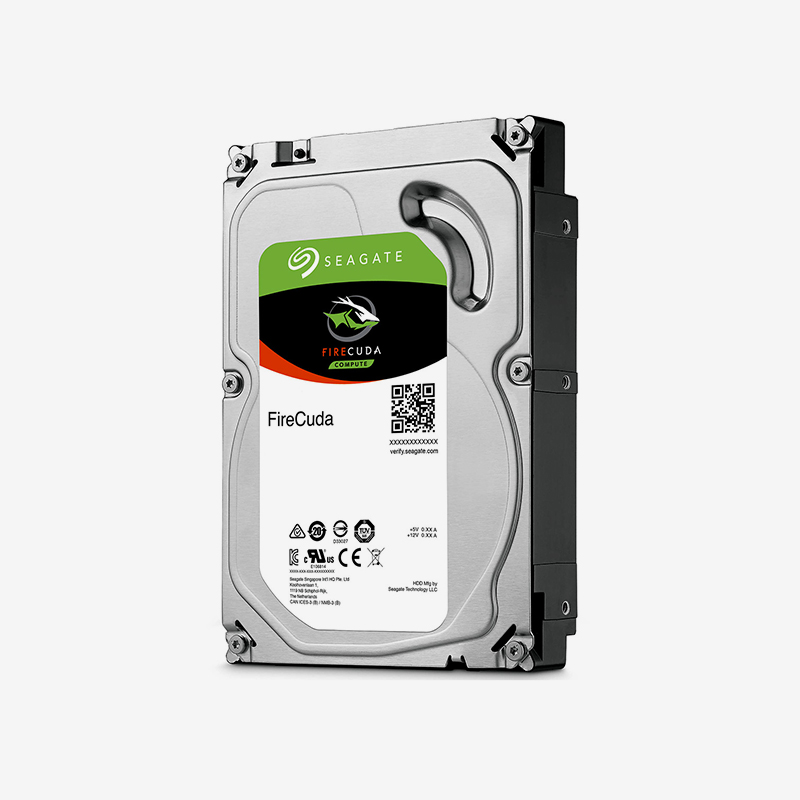
Внешне гибриды выглядят как обычные HDD
Choosing hard drive
As for capacity and the brand you should get, it is up to your preference and what you have to accomplish. However, among the popular brands, you can find “Western Digital” and “Seagate,” and each brand offer different hard drives for each situation.
For example, if you want to add more storage or you are trying to build a new system, you may go for one of these hard drives:
Also, the Seagate BarraCuda 2TB is among the best-selling 7200 RPM internal hard drives, priced only at $50.
If you plan to build a NAS or add more capacity to the system to store files long-term, you should consider getting these hard drives:
If you plan to build a low-power server, it’s best to use 5400 RPM drives.
On the internet, you may be able to find many manufacturers, capacities, and technologies. These are just a few recommendations.
This guide is focused on traditional rotating platter hard drives as the focus here is on drives to store a large amount of data. Of course, hybrid drives and Solid State Drives (SSD) offer better performance, but they do not provide as much capacity and are still quite expensive.
На что влияет буфер HDD
Буфер или кэш — это отдельный вид памяти внутри HDD, который отвечает за работу с «очередью». То есть теми программами и процессами, которые еще не обрабатываются жестким диском, но скоро будут.
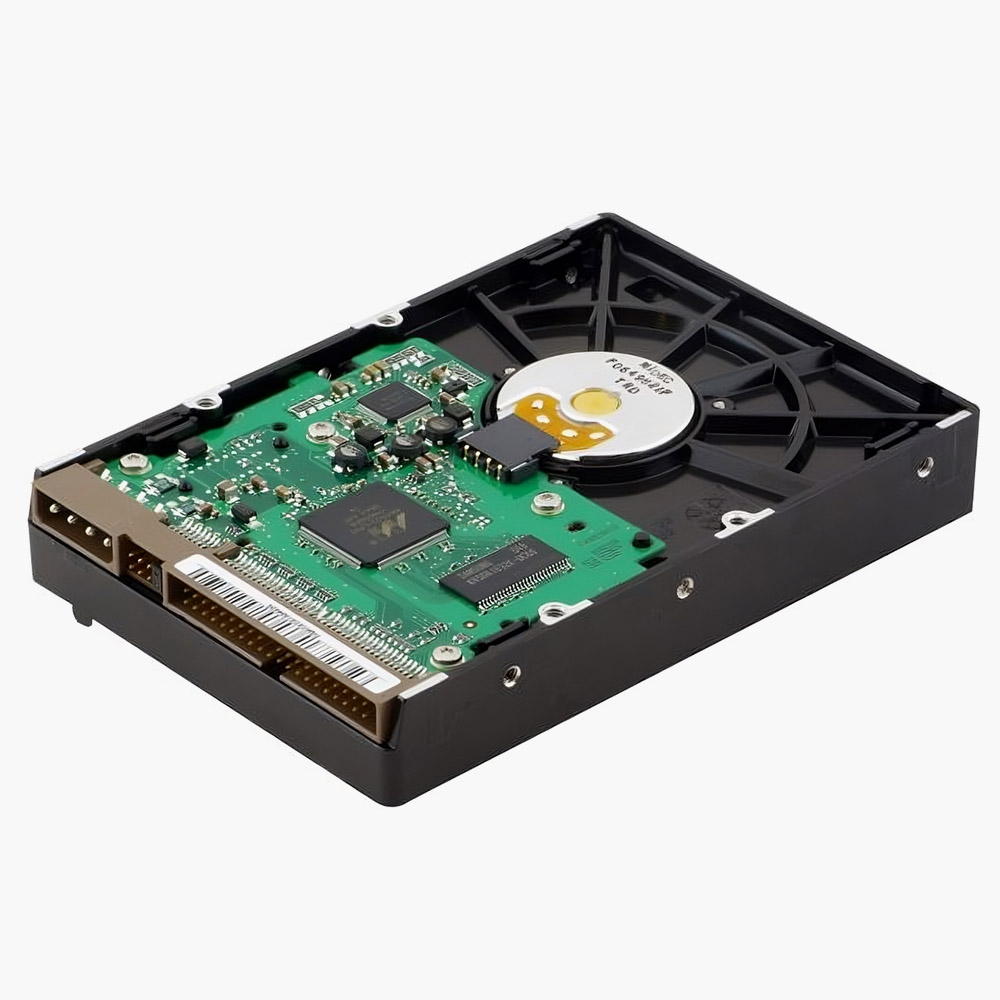
Чем больше кэш, тем больше диск способен запоминать операций — и тем реже к нему обращается система, снижая износ. К работа с диском с большим буфером ощущается быстрее.
Сегодня на рынке доступны HDD с буферной памятью от 8 Мб до 4 Гб, но для повседневного использования хватит жесткого диска с кэшем 256 Мб.
Как жесткий диск подключается к ПК
Интерфейсом называют физический разъем, и программный метод передачи данных. Современных несколько.
SATA — основной стандарт для подключения как HDD, так и SSD накопителей. SATA-порт обычно можно найти на материнской плате. Есть три поколения таких разъемов, различаются они в основном пропускной скоростью:
Производитель указывает максимальную пропускную скорость именно интерфейса: на то, с какой скоростью файлы будут записываться в реальности, влияют сотни факторов — от износа диска до особенностей файлов.
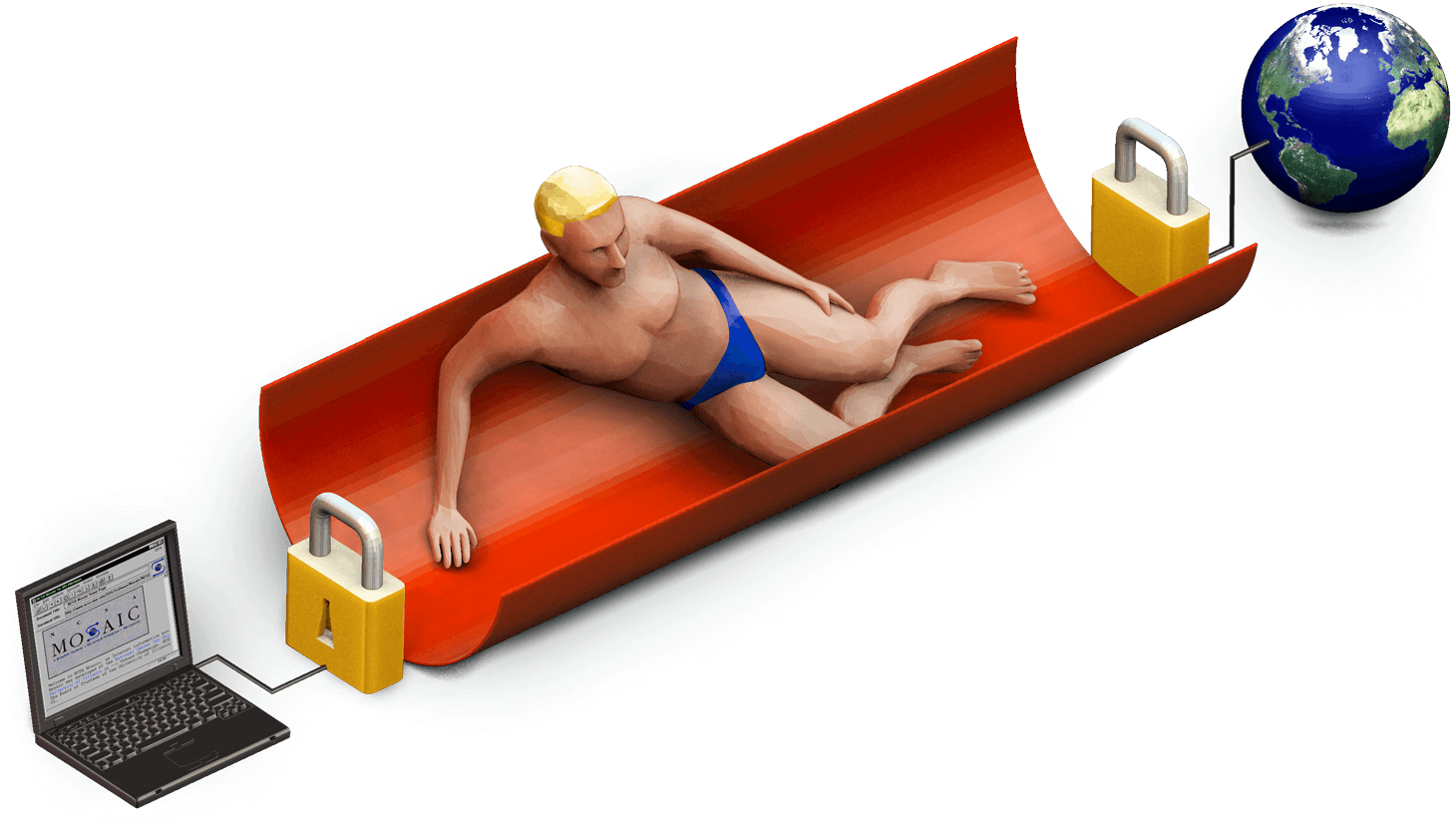
Поэтому для получения реальных данных максимальный показатель скорости нужно делить То есть на высокоскоростном SATA III фильм будет скачиваться не 10 секунд, а около минуты. На SATA I стоит рассчитывать на несколько минут.
Новые устройства выпускают в основном на базе SATA III.
PCI-E — этот интерфейс используют для подключения твердотельных дисков — SSD. На базе PCI-E создано несколько разъемов, например M2. PCI-E порты расположены только на материнской плате.
USB — этот интерфейс используют для подключения внешних дисков, порты расположены на корпусе ПК. Вот популярные версии:
Подходящие интерфейсы должны быть не только в жестком диске, но и в самом устройстве, к которому вы будете подключать диск. Поэтому перед покупкой внутреннего жесткого диска проверьте наличие необходимых интерфейсов на материнской плате. Это можно сделать в бесплатной программе HWiNFO в разделе Motherboard.
Если покупаете внешний диск, учитывайте обратную совместимость: вы сможете использовать диск USB 3.0 в старом разъеме USB 2.0, только скорость будет минимальной. Поэтому покупать дорогой внешний SSD для обычного ноутбука без «быстрых» разъемов смысла нет.
Сравнительная таблица
Параметры сравнения 5400 RPM Жесткий диск7200 RPM Жесткий диск
Подходит для Чтобы запустить операционную систему, быстрее запускать программы и передавать файлы. Хранение больших файлов, лучшая производительность.
Скорость чтения и записи 100 Мб / с 120 Мб / с
Скорость Помедленнее Примерно на 20-33% быстрее.
зной Создает меньше тепла Создает больше тепла.
Преимущества Более длительный срок службы, низкий уровень шума и т. д. Высокие эксплуатационные характеристики
Как выбрать жесткий диск
Накопители можно устанавливать внутрь компьютера или ноутбука или просто носить с собой как флешку.
Внутренние жесткие диски помещаются внутрь системного блока или ноутбука. Здесь важен — то, какого размера и формы будет жесткий диск. Его указывают обычно в дюймах.
Например, если купить для обычного системного блока жесткий диск шириной 2,5 дюйма, придется думать, куда его положить: стандартные крепления рассчитаны на диски 3,5 дюйма. В ноутбуках обычно используют — большей ширины диск вы туда просто не засунете.
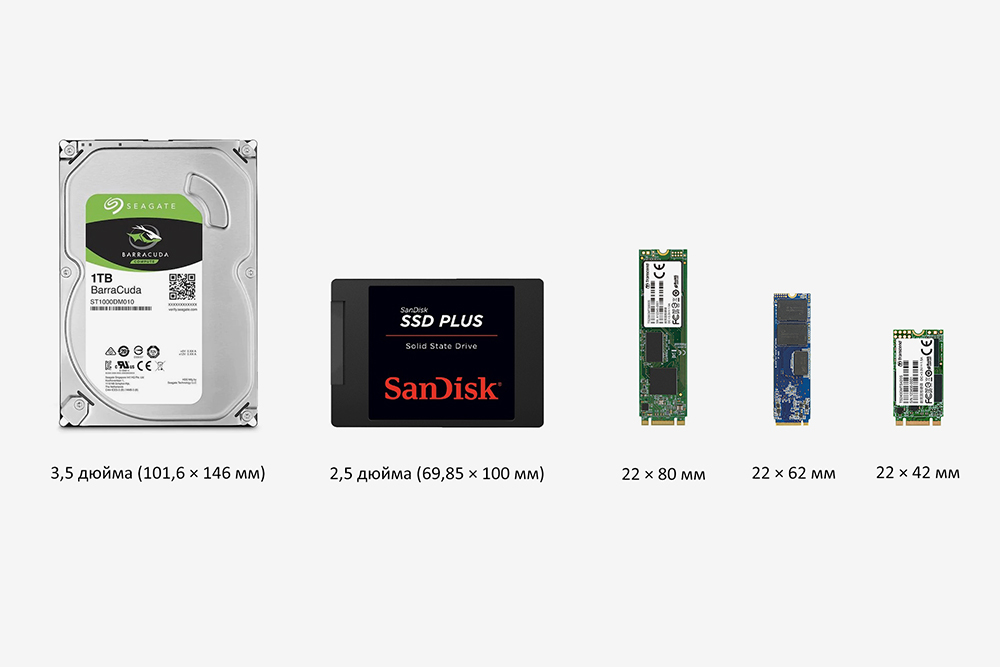
У совсем другие и обозначаются четырьмя цифрами: 2242, 2232 и далее. Прежде чем выбирать внутренний жесткий диск, проверьте, какой нужен , в инструкции к компьютеру или ноутбуку.
Чтобы подключить внутренний диск, нужно выключить компьютер или ноутбук, открыть корпус, найти нужные разъемы для обмена данными и питания, подсоединить устройство.
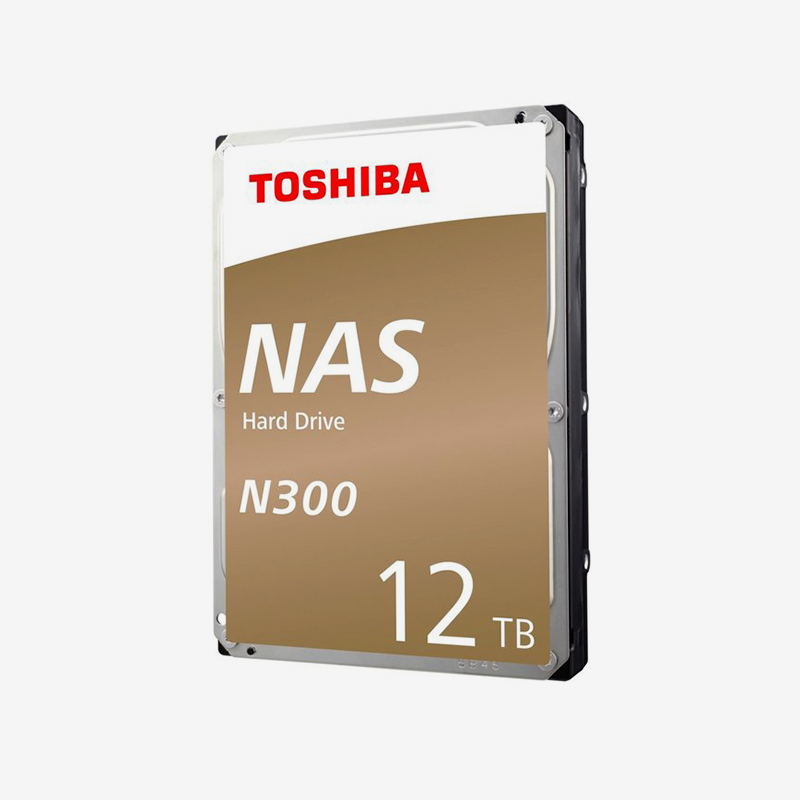
Любой внутренний HDD будет выглядеть как металлическая тяжелая коробочка
Внешние жесткие диски можно носить с собой, поэтому зависит только удобство. Я спокойно пользуюсь большим диском на 2,5 дюйма, предпочитает миниатюрные на 1,8 дюйма.
Внешние диски чаще всего используют , поэтому для их подключения нужно просто вставить провод в нужное гнездо — как флешку.
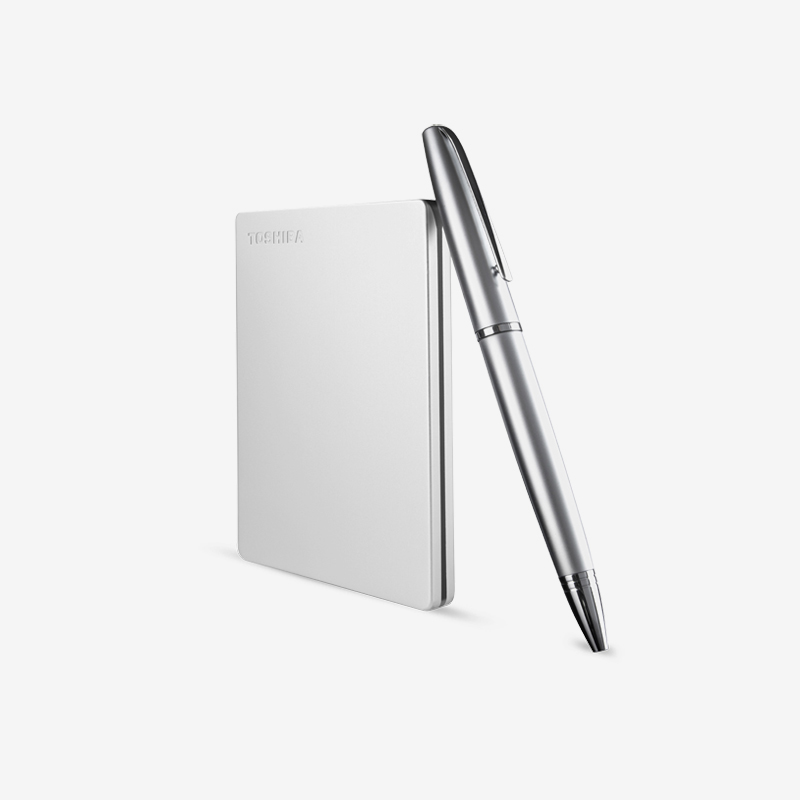
Внешний диск от Toshiba чуть меньше обычной ручки. Я переношу такой просто в заднем кармане брюк
Какой объем памяти выбрать
У HDD-дисков в основном объем памяти от 500 Гб до 10 Тб, у SSD-накопителей — от 128 Гб до 2 Тб. Сколько именно вам нужно памяти, зависит от задач, но есть несколько особенностей:
От чего зависит скорость передачи данных на HDD
От скорости вращения шпинделя. Это ось, которая крутит те самые пластинки:
Если нужен внутренний жесткий диск для операционной системы — выбирайте SSD или HDD Так компьютер будет загружаться и работать быстрее.
Для хранилища данных подойдет HDD на 5400 об/мин. Работает тихо, надежно.
В качестве внешнего жесткого диска удобен HDD с интерфейсом USB 3.0. Такой интерфейс будет у большинства ноутбуков, компьютеров и даже телевизоров.
Рекомендации
Последнее обновление: 13 июля 2023 г.
Сандип Бхандари имеет степень бакалавра вычислительной техники Университета Тапар (2006 г.). Имеет 20-летний опыт работы в сфере технологий. Он проявляет большой интерес к различным техническим областям, включая системы баз данных, компьютерные сети и программирование. Подробнее о нем можно прочитать на его био страница.
Дополнительно о техподдержке
 Узнайте, как легко распределить телефонный Интернет на другие устройства
 Разблокируйте скрытые секреты: поиск паролей в Internet Explorer
 Легко передавайте фотографии с iPhone на компьютер с Windows через кабель | Пошаговое руководство
 Быстро и просто: установите программу WhatsApp на свой телефон сегодня
 Как полностью удалить пакет в linux mint 20
 Устали от приглушенных звонков? Узнайте, как их отключить
 банк Открытие в Нижнем Новгороде, телефон банка, время работы, адрес центрального офиса банка Открытие в Нижнем Новгороде и официального сайта
 Способы отвязки карты Сбербанка от платного Яндекс.Плюс